Why Ecommerce Conversion Optimization Matters in 2026
In 2026, simply having a website is no longer enough to compete. Whether you are a boutique in Berea or a growing retailer in London, your website is your 24/7 storefront. Ecommerce conversion rate optimization (CRO) is the process of using data and user feedback to ensure that the visitors you already have are actually completing purchases. Instead of spending your entire budget on more ads, CRO helps you get more value from your existing traffic, effectively lowering your customer acquisition costs and boosting your bottom line.
The Competitive Landscape
With the global average ecommerce conversion rate hovering around 2.2%, even small improvements can lead to massive revenue growth. For a business in Corbin or Somerset, increasing your conversion rate from 2% to 3% doesn't just mean a 1% gain—it represents a 50% increase in total sales. By focusing on e-commerce sites, you can create a seamless path to purchase that keeps customers from abandoning their carts.
How Conversion Optimization Works
At its core, CRO is about removing friction. It involves analyzing how users interact with your site—where they click, where they get stuck, and why they leave. By using tools to track user behavior, you can identify "leaks" in your sales funnel. Once identified, you can implement changes, such as simplifying navigation or improving page load speeds, to guide users toward the checkout button.
The Technical Foundation
- Core Web Vitals — Google prioritizes sites that load quickly and provide a stable experience. A delay of even 0.1 seconds can significantly impact your conversion rate.
- Mobile-First Design — Since most shoppers browse on their phones, your site must be fully responsive and easy to navigate on smaller screens.
- Data-Driven Decisions — Avoid guessing. Use analytics to see exactly where users drop off and test specific changes to see what works best for your audience.
Kentucky-Specific Context
Kentucky businesses face unique challenges and opportunities. Whether you are serving customers in Richmond or Middlesboro, local trust is a major factor in conversion. Customers want to know they are buying from a reputable source. By leveraging our city guide advertising network, you can build local authority that translates into higher trust signals on your own website. When a customer from Mount Vernon or Pineville visits your site, they should immediately feel that they are dealing with a professional, local entity.
Step-by-Step Actionable Implementation
- Audit Your Speed — Use tools to ensure your site loads in under 2 seconds. If it’s slow, consider our web hosting solutions to improve performance.
- Simplify Your Checkout — Remove unnecessary form fields. Every extra step is a chance for a customer to leave.
- Enhance Product Pages — Use high-quality images and clear, descriptive text. As noted in our guide on why your website isn't converting, your product page is where the decision to buy is made.
- Add Trust Signals — Display security badges, customer reviews, and clear return policies prominently.
- Clear CTAs — Ensure your "Add to Cart" and "Checkout" buttons are high-contrast and easy to find.
Common Mistakes to Avoid
- Ignoring Mobile Users — If your site is hard to use on a phone, you are losing the majority of your potential customers.
- Overloading with Pop-ups — Too many distractions can overwhelm visitors and drive them away before they even see your products.
- Guessing Instead of Testing — Always base your changes on data, not personal preference. If you aren't sure where to start, our web design team can help you audit your current layout.
Measuring Results and ROI
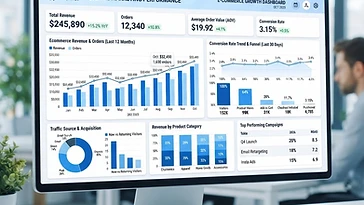
To know if your CRO efforts are working, you must track the right metrics. Focus on your conversion rate, average order value, and cart abandonment rate. If you are seeing more "Add to Cart" actions but not more sales, you know the issue lies in your checkout process. For a deeper dive into how to track these metrics, check out our ecommerce conversion optimization strategy.
Conclusion
Conversion optimization is not a one-time task; it is a continuous process of learning and improving. By focusing on speed, user experience, and clear communication, you can turn your website into a powerful sales engine for your Kentucky business. Whether you are in Barbourville, Williamsburg, Fort Knox, or Manchester, OLA is here to help you grow. Ready to see where your site is losing money? Get a free website audit today.