The Ecommerce Conversion Opportunity in 2026
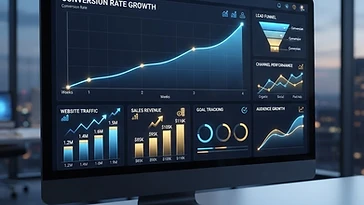
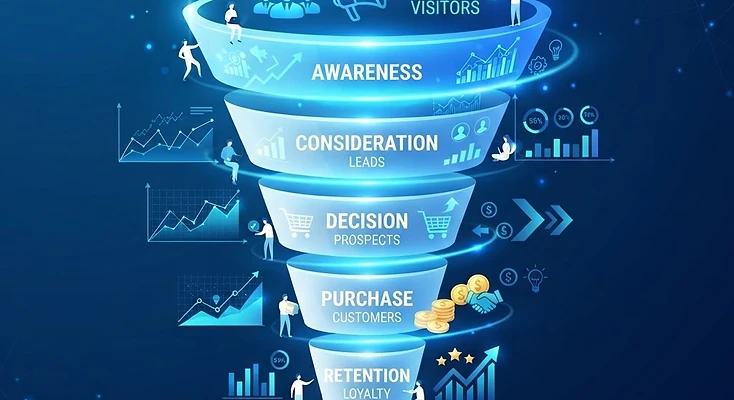
In 2026, the digital marketplace is more competitive than ever. With the global average ecommerce conversion rate hovering around 2.2%, many business owners are leaving significant revenue on the table simply because their websites aren't optimized for the modern shopper. Conversion Rate Optimization (CRO) is not just about tweaking button colors; it is the systematic process of increasing the percentage of visitors who complete a desired action, such as making a purchase. At On-Line Advertising, LLC (OLA), we help businesses nationwide—from our headquarters in Kentucky—identify the "leaks" in their sales funnels and implement data-driven fixes that compound over time.
Why CRO Matters Now
Traffic is expensive. Whether you are paying for ads or investing in organic SEO, every visitor represents a cost. If your site fails to convert that visitor, that investment is wasted. By focusing on CRO, you can increase your revenue without necessarily increasing your marketing budget. As noted in our guide on Ecommerce Conversion Optimization: A 2026 Growth Strategy, small, incremental improvements often lead to massive gains in annual profitability.
How Conversion Optimization Works
At its core, CRO is about reducing friction and building trust. Friction is any element of your website that makes it difficult for a user to complete a purchase—such as slow load times, mandatory account creation, or confusing navigation.
The Technical Foundation
- Site Speed — Even a 0.1-second improvement in mobile load time can deliver a significant conversion lift.
- Mobile-First Design — Your site must be built for mobile users, not just scaled down from desktop.
- Data-Driven Decisions — Use tools like session replays and A/B testing to see what users actually do, rather than guessing what they might like.
Applying CRO Across US Markets
Whether you are a boutique retailer in a small town or a national brand, the principles of conversion remain the same. We have seen firsthand how businesses across the US, including those we serve through our custom software development and web design services, benefit from a cleaner, faster user experience.
For businesses in smaller markets, local trust signals are vital. For national ecommerce brands, the focus shifts to global logistics transparency and seamless checkout flows. Regardless of your size, the goal is to answer the customer's primary question: "Why should I buy this here?" within seconds of landing on your page.
Step-by-Step Implementation
To start optimizing your store today, follow these actionable steps:
- Audit Your Checkout — Enable guest checkout to remove the barrier of account creation. Every extra field in your form reduces conversion.
- Clarify Your Value Proposition — Ensure your homepage headline clearly states what you sell and why it is better than the alternative.
- Add Trust Signals — Place reviews, security badges, and clear return policies near your "Add to Cart" buttons.
- Implement Intent-Based Triggers — Instead of firing popups the moment a user arrives, trigger them based on behavior, such as when a user is about to exit or has viewed multiple products.
- Optimize for Mobile — Ensure all tap targets are at least 44x44 pixels and that your checkout process is as short as possible.
Common Mistakes to Avoid
- Chasing Easy Over Impactful — Don't waste time changing button colors if your checkout process is broken. Fix the "leaky" parts of your funnel first.
- Testing Without Diagnosis — Always look at your data before running a test. If you don't know why users are leaving, you won't know what to fix.
- Ignoring the HiPPO — Don't let the "Highest Paid Person's Opinion" override the actual data from your customers.
Measuring Results and ROI
Conversion optimization is a continuous cycle. You should track your metrics over a rolling 90-day period. If your conversion rate is below 0.5%, you have an urgent gap to close. If you are above 1.5%, you might consider shifting your focus toward increasing your Average Order Value (AOV) or customer lifetime value. For more on how to structure your growth, check out our Ecommerce Growth: A 2026 Strategy for Kentucky Businesses.
Conclusion
Conversion optimization is the most cost-effective way to grow your business in 2026. By removing friction, building trust, and testing your assumptions, you can turn your website into a high-performing sales engine. If you are ready to take the next step, book a free consultation with our team at OLA. We specialize in helping businesses nationwide achieve their growth goals through expert web hosting and strategic digital marketing.
Ready to see where your site is leaking revenue? Request a free website audit today.