The Rise of Generative Engine Optimization: Why It Matters in 2026
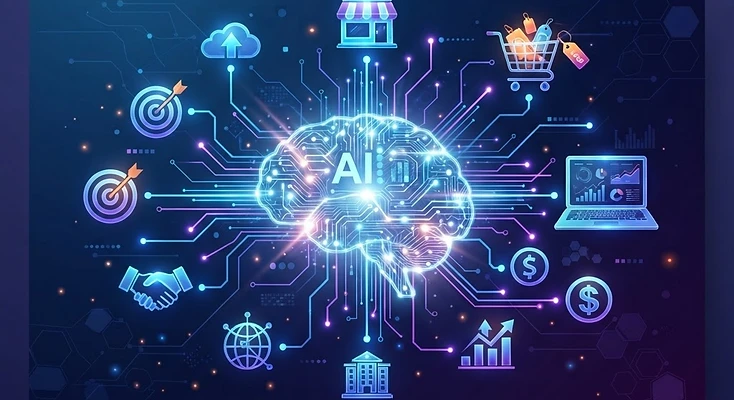
In 2026, the way users discover businesses has fundamentally shifted. Traditional blue-link search results are no longer the only destination; users are increasingly turning to AI-powered platforms like ChatGPT, Perplexity, and Google AI Overviews to get direct, synthesized answers. Generative Engine Optimization (GEO) is the practice of tailoring your digital presence to ensure your brand is cited, recommended, and featured within these AI-generated responses. At On-Line Advertising, LLC (OLA), we help businesses nationwide navigate this transition, ensuring that your brand remains a top-of-mind authority regardless of how the search landscape evolves.
Why GEO is the New Competitive Frontier
- Increased Visibility — AI engines act as gatekeepers; being cited in an AI response provides immediate trust and authority.
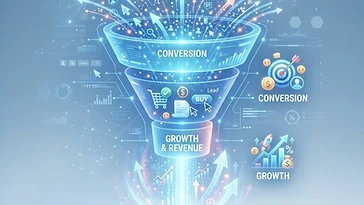
- Higher Conversion Potential — Research indicates that AI-referred traffic often carries higher intent, leading to better conversion rates compared to traditional organic search.
- Future-Proofing — As AI search becomes the default paradigm for informational and commercial queries, early adoption of GEO strategies provides a significant competitive advantage.
How Generative Engine Optimization Works
Unlike traditional SEO, which focuses on ranking a specific URL, GEO focuses on becoming a trusted source of information for Large Language Models (LLMs). AI engines process vast amounts of data to synthesize answers, prioritizing content that is factual, structured, and authoritative. They look for clear entity relationships—connecting your brand to specific services, locations, and industry concepts.
The Mechanics of AI Citations
- Semantic Clarity — AI models prefer content that uses plain, descriptive language to define what you do and who you serve.
- Structured Data — Using schema markup helps machines understand your business type, location, and service offerings, making it easier for them to include you in relevant answers.
- Authority Signals — AI systems weigh expert quotes, cited statistics, and high-quality internal linking as indicators of a credible source.
Applying GEO Across US Markets
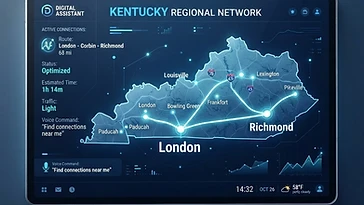
Whether you are a local service provider or a national e-commerce brand, GEO is essential. AI engines are increasingly localized; when a user asks for a "reliable web design agency," the AI pulls from local entity data to provide relevant, nearby options. OLA, headquartered in Kentucky, serves clients across the United States, helping businesses in diverse markets—from major metropolitan hubs to smaller regional centers—optimize their digital footprint for both national reach and local relevance. Explore our Services to see how we bridge the gap between local presence and national growth.
Step-by-Step Actionable Implementation
To succeed in 2026, you must move beyond basic keyword stuffing and focus on building a "web of answers" that AI can easily crawl and trust.
- Audit Your Content — Ensure your About and service pages clearly define your expertise in plain language.
- Implement Schema Markup — Use Organization, LocalBusiness, and FAQ schema to provide machines with explicit context about your business.
- Build Internal Link Density — Link from broad informational content to specific Web Design or E-commerce service pages to show topical depth.
- Include Expert Attribution — Feature quotes from your team members or industry experts to signal authority to AI models.
- Create Localized Content — If you serve specific regions, develop dedicated pages that connect your brand to those areas, similar to our City Guide Advertising approach.
Common Mistakes to Avoid
- Ignoring Technical Foundations — GEO is an extension of SEO; if your site is slow or poorly structured, AI engines will struggle to index your content effectively.
- Over-Optimizing for Keywords — AI models prioritize natural language and intent over repetitive keyword usage.
- Neglecting Recency — AI engines weigh recency heavily. Ensure your Blog is updated regularly with fresh insights to maintain your status as a current authority.
Measuring Results and ROI
Measuring GEO success requires a shift in mindset. While traditional traffic metrics remain important, you should also track:
- Brand Mentions in AI Responses — Monitor how often your brand is cited by platforms like Perplexity or ChatGPT.
- Referral Traffic from AI Platforms — Use analytics to identify traffic originating from AI-driven search experiences.
- Conversion Rate Improvements — Compare the quality of leads from AI-referred traffic against traditional organic search.
For businesses looking to scale, our Pricing packages are designed to support growth at every stage, from our Starter package to our comprehensive Authority tier.
Conclusion: The Future of Search
Generative Engine Optimization is not a temporary trend; it is the future of how brands will be discovered. By focusing on authority, structure, and clear entity relationships, you can ensure your business remains visible in an AI-first world. At OLA, we are committed to helping our clients navigate this shift with expert strategies tailored to their unique goals. Ready to get started? Book a free consultation today or visit our FAQ page to learn more about our approach to digital growth.