Navigating the Rapid Evolution of Digital Marketing in 2026
The landscape of customer acquisition is experiencing a profound shift. Small and medium-sized regional businesses can no longer rely on sporadic social media posting or isolated web pages to maintain predictable revenue. In 2026, modern buyers engage through hyper-targeted localized search channels, rapid multi-platform comparison, and immediate communication touchpoints before making any purchasing decision.
For regional business leaders, this transition represents an unmatched opportunity. While national conglomerates deploy massive, impersonal campaigns that fail to resonate with regional sensibilities, homegrown operators can implement agile, integrated promotional systems that capture intent right in their home markets. By combining localized authority, rapid response architectures, and structured search visibility, regional organizations can dominate customer acquisition across every digital touchpoint.
The Shift from Disconnected Tactics to Unified Systems
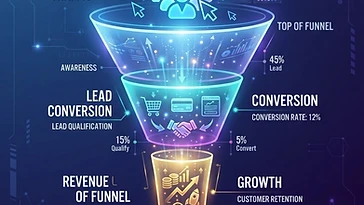
Historically, businesses treated search engine optimization, website architecture, and digital advertising as disconnected silos. In 2026, algorithmic updates across major search engines and social platforms favor brand authority ecosystems over disjointed campaigns. A high-converting lead engine demands a cohesive pipeline that connects discoverability directly to frictionless customer conversion.
Why Trust and Community Relevance Define Success
Modern consumers demonstrate clear fatigue with mass-produced, generic promotional messaging. Buyers actively seek genuine local operators with demonstrable roots, verifiable customer feedback, and real community engagement. Organizations that anchor their digital marketing footprint in trusted local networks capture higher transaction sizes, achieve lower acquisition costs, and build long-term retention.
How Modern Multi-Channel Marketing Architecture Functions
To build a predictable lead pipeline, enterprise and small business decision-makers must understand the technical engine powering sustainable modern marketing. A complete digital acquisition engine functions through four coordinated layers that turn passive regional searches into closed business.
High-Speed Infrastructure and Conversion-Centered Web Design
Your digital storefront serves as the central conversion terminal for every marketing investment. If incoming visitors encounter delayed load times or confusing navigation, ad spend and organic impressions are squandered instantly. A high-performing platform requires clean technical code, mobile responsiveness, and clear conversion paths that guide visitors to call, schedule, or purchase within two minutes. Explore our tailored solutions for web design to see how conversion-focused infrastructure transforms casual visitors into paying customers.
Hyper-Focused Intent Capture Through Search Term Marketing
Consumers searching for immediate local solutions use targeted, high-intent phrases. Capturing these prospects requires structured campaign architectures across paid search and organic discovery, targeting users at the exact moment they need assistance. Rather than blowing budgets on broad keywords, targeted pay-per-click and search campaigns target specific commercial queries. Learn more about capturing immediate local demand with our search term marketing services.
Regional Discovery Networks and Verified Local Profiles
Search algorithms prioritize verified business footprints across recognized regional entities. Consistent business citations, active map profile management, and placements on dedicated community directories build undeniable signals of geographic relevance. When an authority directory vouches for your service area, algorithmic platforms reward your business with primary visibility in map packs and high-intent results.
Fast-Follow Automation and Multi-Touch Nurturing
Lead conversion speed is paramount. Prospects contacted within minutes convert at dramatically higher rates than those contacted hours later. Integrating automatic email notifications, rapid inquiry routing, and automated calendar scheduling ensures that every lead captured across your marketing web is engaged immediately before they reach out to a regional competitor.
Kentucky-Specific Context: Capitalizing on Regional Market Dynamics
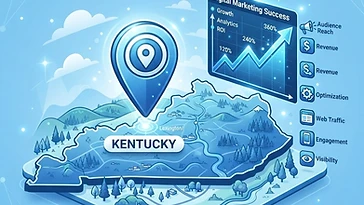
Marketing in the Commonwealth presents distinct regional dynamics that out-of-state agencies consistently fail to navigate. Across the diverse commercial hubs of Kentucky—from the healthcare and logistics centers of Richmond to the expanding tourism and commercial retail districts along I-75 in London and Corbin—local consumer behavior is rooted in personal trust, regional reputation, and geographic familiarity.
Connecting Regional Hubs and Independent Communities
Consumers in Southern and Central Kentucky do not operate within single, isolated municipal boundaries. A customer in Barbourville frequently travels to Corbin for retail and specialty services, while residents in Pineville and Williamsburg often cross city lines to access commercial contractors and medical providers. Similarly, businesses serving Somerset or Manchester must establish broad regional relevance that extends across adjoining counties.
This interconnected dynamic means your marketing architecture cannot stop at a single zip code. In competitive secondary markets like Berea, Mount Vernon, and Middlesboro, capturing market share requires targeted local landing pages and regional directory placements that establish your authority throughout your entire operating radius. Even specialized defense, industrial, and government-adjacent contractors around Fort Knox require campaigns calibrated to the specific commercial cadence of their surrounding district.
Leveraging Regional Directory Power: The 12 Kentucky City Guides
One of the most effective ways to establish regional dominance across the Commonwealth is through established community portals. High-authority local hubs like London, Kentucky provide immediate algorithmic and human trust signals that generic nationwide directories simply cannot replicate. By combining your core marketing initiatives with placements across the Kentucky city guide directory, your brand gains powerful local visibility that anchors your business directly into community hubs like Somerset, Corbin, and Richmond.
To illustrate how this dynamic works in practice, explore the active community networks driving local business visibility across the Commonwealth:
Step-by-Step Actionable Implementation for Local Growth
Transforming an outdated promotional strategy into a dominant marketing pipeline requires methodical execution. Implement this battle-tested, five-step framework to establish authority across your regional target markets.
Step 1: Secure and Standardize Your Digital Foundation
- Audit NAP Consistency — Verify that your official business Name, physical Address, and local Phone number are identical across every digital asset, including your website, social channels, and major directories.
- Modernize Website Infrastructure — Ensure your website loads in under two seconds on mobile devices, features intuitive click-to-call buttons, and provides direct scheduling forms above the fold.
- Configure Professional Communication — Replace generic email providers with dedicated business domain routing through email services to reinforce commercial credibility with prospective clients.
Step 2: Establish Geographically Targetable Service Pages
- Develop Dedicated City Landing Pages — Rather than grouping all regional services onto a single page, build unique, detailed service pages for every primary municipality you serve, such as London, Richmond, and Somerset.
- Integrate Localized Landmark References — Incorporate recognizable local corridors, transit routes, and regional community contexts naturally within page copy to signal authentic community ties to search crawlers.
- Interlink Supporting Content — Build internal thematic relationships between your core service offerings and educational articles, following frameworks like our local content marketing for Kentucky businesses in 2026 blueprint.
Step 3: Dominate High-Intent Search Term Marketing
- Target High-Intent Commercial Queries — Allocate ad budget specifically toward high-intent searches containing terms such as "repair," "estimate," "hire," and "near me."
- Deploy Geo-Fenced Campaign Parameters — Restrict campaign delivery strictly to your active service radiuses to avoid wasting marketing capital outside your operational areas.
- Direct Traffic to Custom Landing Pages — Never send paid campaign clicks to a generic homepage. Direct prospects to dedicated landing pages that directly mirror the ad's specific call to action.
Step 4: Expand Hyperlocal Presence Across Authority Networks
- Secure City Guide Directory Features — Establish prominence across our network of 12 Kentucky city guides through city guide advertising to build local link equity and direct referral traffic.
- Systematize Local Review Collection — Establish an automated post-service text or email cadence that requests customer reviews on verified profiles immediately after successful project completion.
- Publish Community-Focused Updates — Share ongoing project completions, staff spotlights, and local business sponsorships across your online profiles to reinforce active community presence.
Step 5: Implement Rapid Response Protocols
- Configure Instant Inquiry Routing — Route contact form inquiries directly to team smartphones via SMS to enable follow-ups within five minutes of submission.
- Deploy Frictionless Booking Interfaces — Enable customers to secure estimates or phone consultations directly on your calendar, eliminating days of back-and-forth communication.
Common Mistakes to Avoid in Regional Digital Marketing
Many businesses inadvertently sabotage their promotional investments by committing easily preventable tactical errors. Guard your budget against these frequent pitfalls.
- Treating Your Website as a Static Brochure — Many organizations publish a website and leave it unmonitored for years. A modern website requires continual speed optimizations, security updates, and regular content additions to maintain search engine trust and user conversion rates.
- Spreading Resources Across Too Many Social Channels — Attempting to maintain an active presence on half a dozen social media channels simultaneously leads to inconsistent, uninspired publishing. Selecting one or two primary platforms where your regional buyers actively spend time yields vastly superior engagement.
- Ignoring Mobile Usability and Call Triggers — Over 70% of local service searches occur on mobile devices. If an incoming visitor cannot tap a button to immediately dial your phone or book an appointment without pinching and zooming, they will bounce directly to a regional competitor.
- Neglecting Verified Directory Ecosystems — Relying solely on a primary search engine while ignoring local Chamber of Commerce listings, industry hubs, and dedicated community city guides isolates your business from valuable referral pipelines and geographic link signals.
- Failing to Track Revenue Attribution — Running marketing campaigns without conversion tracking makes it impossible to determine which channels produce actual revenue. Every phone call, contact form, and scheduled consultation must be attributed to its traffic origin.
Measuring Marketing Results and Demonstrating Real ROI
Marketing should never function as an ambiguous expense on your income statement; it must operate as a predictable investment with measurable monetary returns. Establish clear key performance indicators to evaluate performance objectively.
Core Metrics to Track Monthly
- Customer Acquisition Cost (CAC) — Calculate total monthly marketing expenditure divided by the number of new closed clients acquired from those efforts.
- Conversion Rate by Traffic Source — Monitor the percentage of site visitors who complete an inquiry, segmented by organic search, paid ads, and direct referral channels like city guide directories.
- Cost Per Qualified Lead (CPL) — Track the cost required to generate a verified, actionable customer lead rather than vanity impressions or unqualified clicks.
- Organic Local Keyword Visibility — Measure how frequently your business ranks within the top three positions for localized commercial search queries in target towns like Richmond, Corbin, and Berea.
Selecting the Right Growth Investment Model
Investing in professional marketing execution should align with your business growth stage and financial capabilities. Rather than paying unpredictable hourly fees, review structured monthly service tiers on our pricing page to identify packages scaled precisely to your current revenue goals and expansion requirements.
Taking the Next Step Toward Regional Market Dominance
As 2026 progresses, the gap between businesses adopting unified digital marketing systems and those relying on outdated, fragmented efforts will continue to widen. Dominating your local Kentucky market does not require matching the enterprise budgets of national corporations. Instead, it demands executing the fundamentals flawlessly: maintaining a lightning-fast, conversion-focused website, capturing active local search demand, leveraging trusted regional directory assets, and responding to incoming leads at high speed.
Whether your business serves London, Somerset, Fort Knox, or the surrounding communities, building a sustainable acquisition engine is within your reach. When you are ready to evaluate your current online presence and craft a growth roadmap tailored to your specific Kentucky service territories, explore our full suite of professional services or schedule a free consultation with the On-Line Advertising team today.